Lost Catch Connections
One catch can end up with cans, loins, frozen portions, and more, and keeping everything tied up can be challenging.
Harness TransGenie’s expertise to track tuna from the vessel to the final shipment with a single connected system. With our tuna traceability software, link catch records, cannery batches, cold storage transfers, and export documentation in a single trace record.
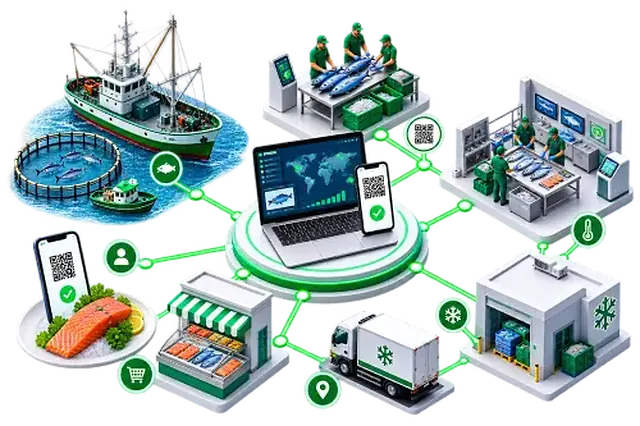




Usually, traceability issues stay hidden until someone needs a quick answer, especially for seafood traceability. In that instance, scattered records, missing data, and endless file hunting will get in your way, resulting in a damaged reputation.
One catch can end up with cans, loins, frozen portions, and more, and keeping everything tied up can be challenging.
The catch details are often written on sheets, where one missed number or date can throw the records completely off.
Yellowfin, skipjack, and albacore may move through the same facility, making it tricky to keep track of each product.
Fetching the right compliance records at the last minute can create extra guesswork, errors, and shipment delays.
When temperature records go missing along the way, tracking down quality issues becomes much harder.
Scattered files and disconnected systems can turn a generic audit request into hours of research.
Our tuna traceability software keeps every part of your journey connected and ensures the export records are ready without chasing the information across different systems.
The software records the vessel, species, catch location, date, and quantity as soon as the tuna comes aboard.
Link every loined, canned, and frozen batch back to its original catch, even when one catch is split across products.
Track storage transfers, shipments, temperatures, and locations along the way, so you know where the tuna has been.
Keep the GDST, EU, IUU, and NOAA SIMP information connected to the trace record for easier document management.
Here are the features behind every trace that is built to keep the tuna records connected, searchable, and easy to manage.
A structured backend that stores every logged catch in an organized manner without duplicate entries.
Connect the catches to batches and finished products automatically, even when the products are split.
Record temperature and handling details at key points, with the data linked to the right batch.
Keep the required compliance information within your trace records, making the document easier.
Manage multiple vessels, facilities, or sites from a single platform while keeping access and data organized.
Search by catch, lot, vessel, and date to quickly find the respective records and products connected to a trace.
Explore the tools that keep tuna data connected, searchable, and ready for compliance.
Our software is built on proven technologies that keep catch data accurate, connected and tamper-proof from vessel to export.
We stay on top of the standards that shape fish traceability, including tuna, without chasing records across entire systems. TransGenie keeps the compliance data connected to the trace, making the search much easier.
Keep the traceability Lot Codes and Key Data Elements connected across every stage of the tuna journey.
Track the key catch details, including fishing area, dates, and ownership transfers throughout the supply chain.
Maintain a transparent, unbroken record as certified tuna moves through every handler and each stage.
Keep the catch and movement records organized to support responsible sourcing and prevent illegal fishing.
All the tuna traceability records must be provided to regulators within 24 hours of the request.
See how thousands of tuna traceability records are handled manually versus captured automatically. Drag the slider to compare the difference in time, accuracy, and visibility across every stage.
See how TransGenie connects catch, batch, cold-chain, and compliance data from end to end.
See It In ActionExplore the tuna species that are commonly handled across the supply chain and see how their processing and traceability needs differ. Each species brings its own tracking considerations that your business needs to account for.
This tuna species is most commonly destined for canning. Due to its high-volume and fast turnaround, tuna-tracking software matters more for skipjack, since one catch can feed hundreds of cans within days.
It's used for both canning and higher-value fresh/frozen products. Since yellowfin’s same catch also serves different markets, keeping the grade, processing, and destination clear is mandatory.
Albacore is best known for its canned white-meat tuna, especially across the US and European markets. With accurate species tracking, you can keep label and compliance records in check.
This kind of tuna is often handled as a premium fresh or frozen product for the loin and seafood trade. Due to its higher value, proper handling and cold-chain tracking are much more important.
In general, different teams have different priorities. TransGenie gives each one a clear view of the information that actually matters to them.
Spend less time on paperwork and more time fishing, with simple ways to record and share catch information.
Get a clear picture of the incoming raw material and what’s moving through production without breaking a sweat.
Know what’s moving, where it is, and what information travels with each shipment without relying on scattered updates.
Get greater confidence in where products come from and access the information needed to verify their sourcing.
Find the information you actually need without asking multiple teams to pull records together before every review.
Give consumers more confidence in what they buy by making the product information easier to access and understand.
Use this quick checklist to see how prepared your records are when an audit, recall, or buyer request comes in.
0-3 - There are clear gaps in your traceability that need immediate fixing.
4-6 - You’re almost there. Only a few gaps still need attention.
7/7 - You’re audit-ready. The records are in great shape.
The real difference in moving to tuna tracking software isn’t just about compliance. It’s about spending less time chasing records, fixing gaps, and figuring out where a batch came from.
Our same TransGenie platform can trace more than just tuna. Our software’s flexible traceability engine adapts to different products, suppliers, facilities, and workflows. This keeps every journey connected in one unified system.
Scale from a single site to various locations without rebuilding your entire system.
Keep the same traceability logic across products, batches, and the supply chain.
Adapt compliance requirements to fit your business, markets, and operations.
Capture the supply chain events as they happen, step by step, without any flaws.
Even though these aren’t tuna-specific, they run on the same trace engine behind this platform. This shows that TransGenie can handle real-world traceability beyond a demo environment.
Built a blockchain-powered platform to help Farmsent manage product information across the digital ecosystem, with a core focus on transparent and reliable data.
Explore Case Study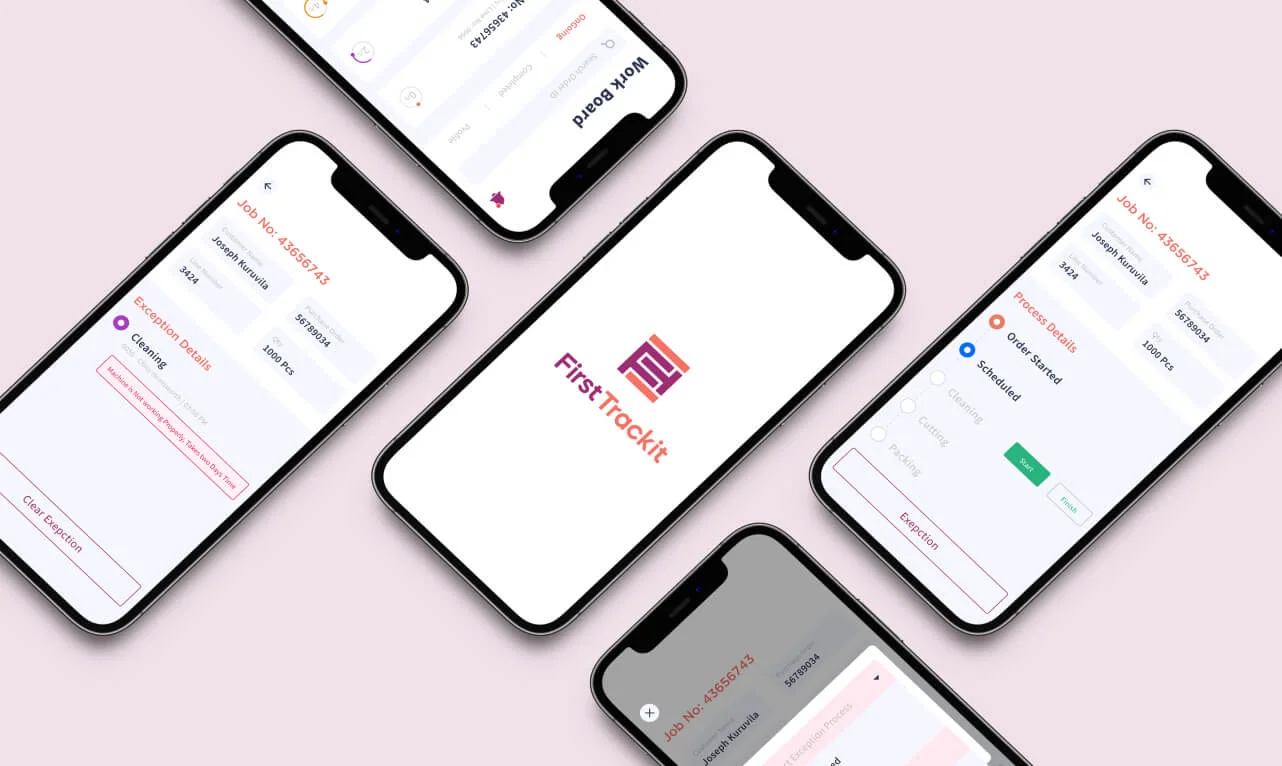
A production tracking solution built to capture operational data as work happens. This gives teams better visibility into production activities and day-to-day performance.
Explore Case StudyHear from businesses who worked with TransGenie to simplify traceability, connect their operations, and keep critical records within reach. Real experiences from teams working to make their supply chains more visible and organized.
"Partnering with TransGenie for our food traceability initiative was a strategic decision. Their expertise and commitment delivered outstanding results"
"TransGenie's commitment and expertise made our food delivery platform a success. They remain our trusted technology partner."
"TransGenie's technical expertise helped bring FirstTrackIt to life and transformed how we track customer orders."
We don’t believe in a lengthy sales process. Just the necessary things are enough to get your setup right for the first time.
A short discovery call to understand your species, volumes, facilities, and which market you focus on exporting to.
Our experts understand your current process and configure TransGenie’s software around the way your team works.
Your vessel, processing, warehouse, and export teams get the necessary information they need to know before launch.
Start tracking real tuna catches and batches, with our expert team there to support you as you get things started.
Book a 15-minute walkthrough of TransGenie’s tuna traceability software. No pricing forms, no pressure, just a look at how it fits your supply chain
Yes. The TransGenie app is available exclusively for Android devices, covering catch logging, map-based tracking, QR scanning, and blockchain verification from a single screen.
The timeline depends on how many facilities and vessels you’re connecting, and whether you’re migrating existing records. Our team scopes this with you directly during onboarding, rather than quoting a generic timeline upfront.
Yes. TransGenie works for small exporters too, with the platform configured around your operation. You can start with the features you need and expand as your business grows.
A cloud tuna traceability platform gives fishers, processors, and buyers real-time visibility across the entire supply network from any device. By connecting directly with IoT sensors and automated workflows, it resists data tampering and outperforms outdated tools.
Off-grid tuna tracking software logs catch locations and pulls times offline while vessels operate far out at sea. The stored data automatically syncs to the cloud servers upon reaching port, streamlining catch documentation without delaying operations.
Port operations scan RFID tags and digital scales to capture raw batch weights, species data, and vessel details immediately at offloading. Locking these temperature and origin metrics to the batch record prevents illegal or unverified fish from slipping into commercial trade.