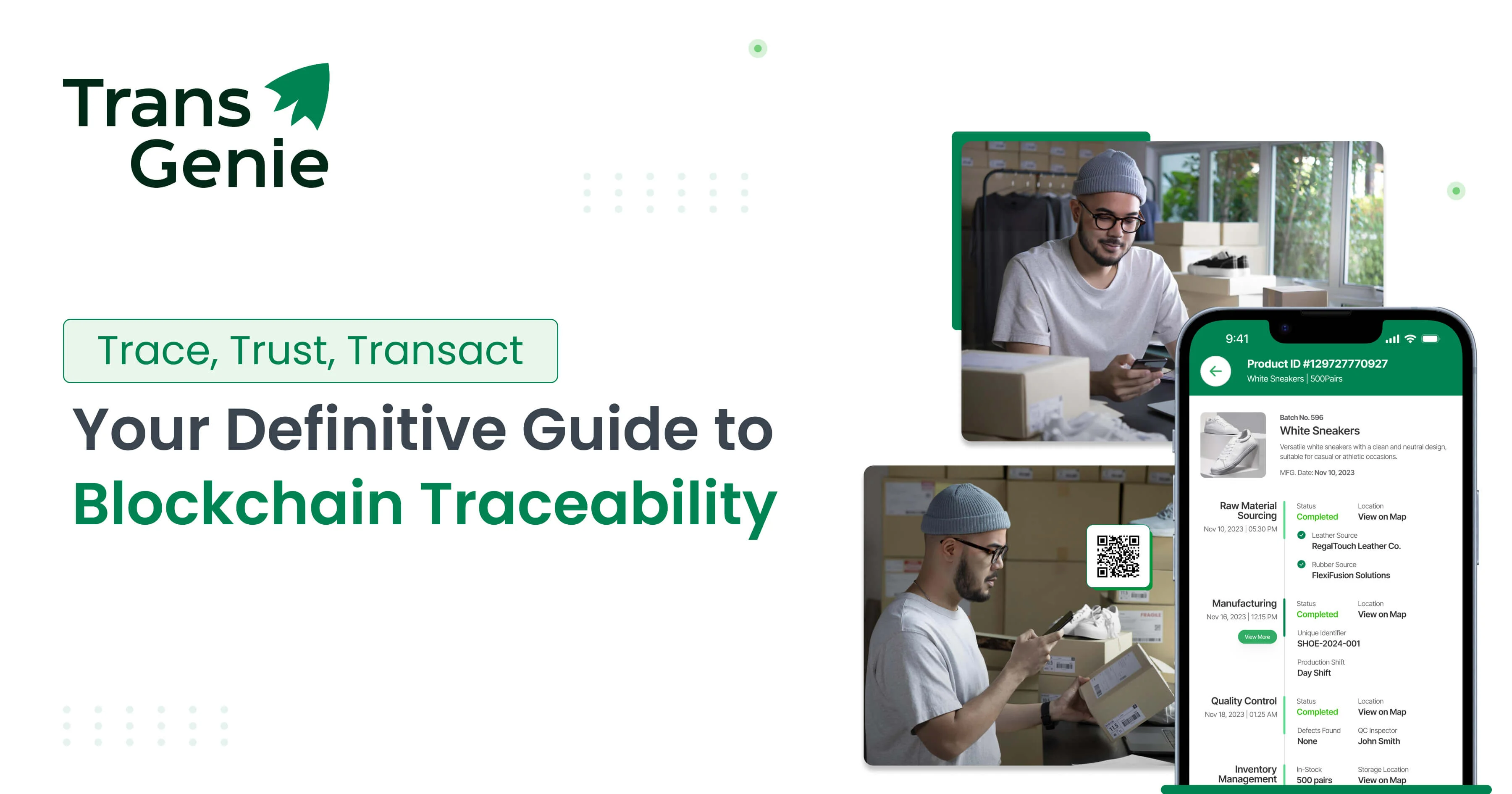
In the dynamic landscape of technological innovation, blockchain traceability emerges as a pivotal
force, revolutionizing the way we track and authenticate information. This comprehensive guide is your
gateway to understanding the transformative power of blockchain in establishing transparency and
accountability across industries. As we delve into the intricacies of blockchain traceability, we
explore its foundational principles, real-world applications, the challenges it addresses, and a
glimpse into the promising future it promises across diverse sectors. In a world driven by data,
discover how the use of
blockchain traceability is reshaping the way we verify, track, and secure information.
Understanding Blockchain Traceability
Blockchain Traceability refers to the ability to track the movement of assets or data across a
blockchain network. It provides a transparent and immutable record of transactions, allowing users
to verify the authenticity and origin of products, services, or information.
In the context of supply chain management, blockchain-based traceability software enables businesses to track the journey of goods from
their source to the end consumer. This enhances transparency, accountability, and efficiency
throughout the supply chain, reducing the risk of fraud, counterfeiting, and product recalls.
Blockchain and Supply Chain Management
Most discussions about traceability in blockchain technology revolve around supply chain contexts.
Here's how blockchain enhances supply chain management:
1. Provenance Transparency
Blockchain ensures improved transparency into the provenance of consumer goods. Provenance
signifies the documented history of a product's journey, tracing its lineage from the initial
source to the ultimate destination of consumption.
2. Asset Tracking
Blockchain traceability enhances accuracy in asset tracking throughout its journey in the supply
chain. This capability contributes to better efficiency, even in the technologically empowered
world.
How Blockchain Traceability Works?
Blockchain traceability works by creating a digital ledger that records each transaction or event in
the supply chain as a block. These blocks are linked together in a chain using cryptographic hashes,
ensuring that any attempt to alter past records is immediately detected. Each participant in the
blockchain network has a copy of the ledger, allowing them to verify the accuracy and integrity of
the data. Smart contracts can also be used to automate certain processes and enforce predefined
rules within the supply chain.
The Benefits of Blockchain Traceability Include
1. Transparency
Blockchain-based traceability provides a transparent and immutable record of transactions and
product movements within a supply chain. This transparency enhances trust among stakeholders and
allows for increased visibility into the flow of goods.
2. Security
The tamper-proof nature of blockchain records ensures that data cannot be altered or deleted once
it is recorded. This heightened security reduces the risk of fraud, counterfeiting, and
unauthorized changes to supply chain information.
3. Traceability
Blockchain enables real-time tracking of products from their origin to the end consumer. This
improved traceability helps businesses optimize processes, identify inefficiencies, and respond
promptly to issues such as recalls or disruptions.
4. Efficiency
By streamlining data sharing and verification processes, blockchain based
traceability enhances supply chain efficiency. It reduces manual paperwork, speeds up
transactions, and improves overall operational efficiency.
5. Compliance
Blockchain traceability aids in ensuring compliance with regulatory requirements by providing a
secure and auditable record of transactions. This can simplify audits, demonstrate adherence to
industry standards, and mitigate risks associated with non-compliance.
6. Consumer Trust
Offering consumers detailed information about the products they purchase, including their sourcing
and production history, fosters trust and confidence in the authenticity and quality of goods.
Blockchain traceability enhances consumer trust and loyalty, leading to increased brand reputation
and customer satisfaction.
Real Uses of Blockchain Traceability
The diverse applications of Blockchain traceability across various industries, include
Supply Chain:
Blockchain traceability transforms supply chain management by providing an immutable and
transparent ledger. It ensures real-time visibility, minimizes fraud, and streamlines operations,
optimizing the movement of goods and enhancing collaboration among stakeholders.
Agriculture:
In agriculture, blockchain-based traceability authenticates the origin and journey of produce.
This ensures food safety, reduces fraud in labeling, and establishes trust among consumers and
stakeholders by providing an unalterable record of each stage in the supply chain.
Fashion:
For the fashion industry, blockchain traceability enables transparency in the production process.
It ensures authenticity in the sourcing of materials, tracks each step of garment manufacturing,
and establishes provenance, addressing concerns related to sustainability and ethical practices.
Food:
Blockchain traceability in the food industry safeguards food safety by providing an immutable
record of the entire supply chain. From farm to table, consumers can trace the origin and journey
of products, ensuring quality and authenticity and facilitating rapid response to recalls or
contamination issues.
Manufacturing:
In manufacturing, blockchain-based traceability enhances efficiency and trust. It ensures
transparency in the production process, authenticates the origin of raw materials, and streamlines
logistics. This results in improved quality control, reduced counterfeiting, and optimized supply
chain operations.
Best Practices for Implementing Blockchain Traceability
When implementing the need for
blockchain traceability, businesses should consider several best practices to ensure a
successful deployment. These include
- Selecting the right blockchain platform that aligns with their specific requirements.
- Establishing clear data governance policies.
- Collaborating with supply chain partners to onboard them onto the blockchain network.
- Investing in employee training to ensure proper use of the technology.
Will Blockchain Bring Next-Generation Traceability?
Blockchain holds the potential to usher in the next generation of traceability by providing a
comprehensive, secure, and decentralized solution. As technology continues to evolve, advancements
in blockchain, such as scalability improvements and integration with emerging technologies like the
Internet of Things (IoT), can further enhance its capabilities in blockchain traceability.
The ability to incorporate real-time data from IoT devices, sensors, and other sources into the
blockchain can elevate traceability to new heights. This could enable instant monitoring of
conditions like temperature, humidity, and location, providing a more detailed and accurate picture
of the entire supply chain.
Conclusion
Blockchain Traceability represents a significant advancement in supply chain management, offering
transparency, accountability, and security. By leveraging decentralized blockchain networks,
businesses can enhance operational efficiency and consumer trust. As the technology continues to
evolve, it holds the potential to drive innovation and foster sustainable practices in supply chains
worldwide. Embracing blockchain traceability paves the way for a more interconnected and trustworthy
global marketplace.


Yokesh Sankar